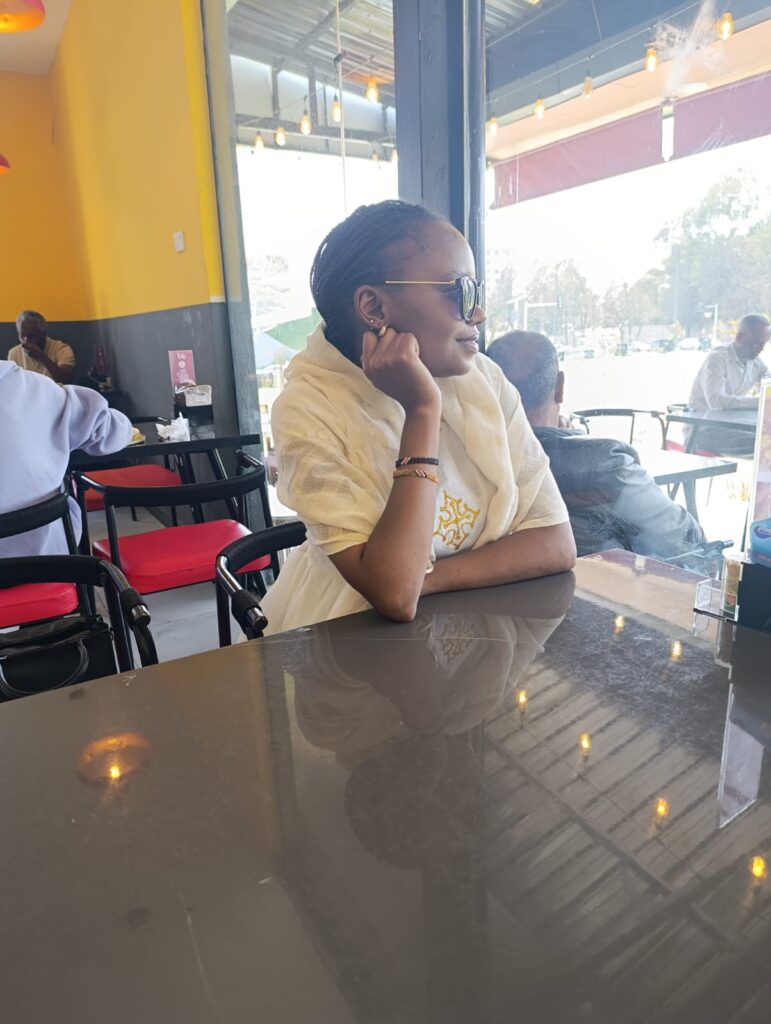

As an immigration consultant and the founder of Millennia Visa Specialists Kenya, my life is usually measured in visa categories, document legalizations, and the rigid timelines of government ministries. But every so often, the consultant needs to become the traveler.
In February 2026, I decided it was time to look North. I packed my bags, called my younger brother to join me, and set our sights on the “Political Capital of Africa”—Addis Ababa, Ethiopia.
We weren’t looking for a 48-hour layover. We wanted the soul of the city. We stayed for nine nights, lived in the neighborhoods, ate from the communal platters, and navigated the quirks of a nation that has never been broken by colonization. This is our story—and your ultimate blueprint for visiting Addis.
The Departure: Leaving the Green City in the Sun
The journey began at Jomo Kenyatta International Airport (JKIA). There is a specific energy at the terminal when you’re heading to another African powerhouse. As I checked our bags, I felt that familiar thrill. Traveling with my younger brother added a layer of responsibility and joy; I wanted him to see that our continent is vast, sophisticated, and deeply rooted.
The Flying Experience
We opted for Kenya Airways, of course. From an immigration perspective, I always tell my clients: the journey starts with the flag carrier. The moment you step onto that plane, you are technically on Ethiopian soil. The cabin crew, dressed in their stunning red outfits, set a tone of hospitality that is authentically Kenyan.
The flight is a breeze—roughly 2 hours and 10 minutes. Just enough time to enjoy a meal and watch the landscape shift from the lush greenery of central Kenya to the rugged, dramatic ridges of the Ethiopian Highlands.
Navigating the Border: The Consultant’s Eye
When we landed at Bole International Airport, my “professional brain” switched on. I was scanning the signage, watching the queues, and timing the officers.
The Kenyan Advantage
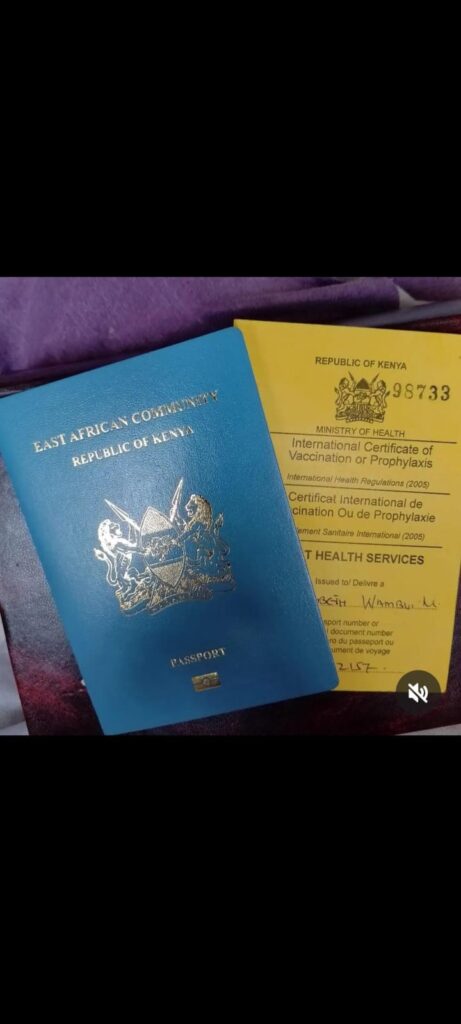
For my fellow Kenyans, let’s clear up the biggest question: Do we need a visa? The answer is a resounding No. Thanks to the strong bilateral ties between our nations, Kenyans enjoy visa-free entry for up to 90 days.
- The Process: We walked straight to the immigration counters. There was no “E-visa” to print, no “Visa on Arrival” fee to pay ($50 or $100 saved right there!).
- The Interaction: The officer looked at our Kenyan passports, gave us a warm smile, and stamped us in. It took less than five minutes.
- Pro-Tip: Always have your return ticket and hotel booking handy on your phone, though they rarely ask Kenyans for it. They trust the “Green Passport.”
First Contact: The Altitude, The Air, and The Ache
Stepping out of Bole Airport is like walking into a different dimension of air. Addis Ababa sits at a staggering 2,355 meters (over 7,700 feet).
The Altitude Adjustment
Nairobi is high, but Addis is high. For the first two days, my brother and I felt it. Your heart beats a little faster; your breath catches a little sooner. The air is crisp, thin, and carries the scent of eucalyptus and woodsmoke.
The Weather
Unlike the humid heat you might find in Mombasa or the predictable patterns of Nairobi, Addis is refreshingly cool. Even in the midday sun, there is a bite to the wind. If you’re coming from Kenya, pack a medium-weight jacket and layers. You will need them the moment the sun dips behind the Entoto Hills.
Living Like a Local: 9 Nights in Bole
We chose to skip the sterilized environment of a secluded resort. We wanted to be where the heart beats. We settled in the Bole District, specifically near the Bole Medhane Alem Cathedral.
The Neighborhood Vibe
Bole is the “Westlands” of Addis, but with more soul. It’s where the diaspora returns, where the diplomats drink their coffee, and where the youth flaunt the latest fashions.
- Accommodation: We stayed in a modern apartment-style setup. It cost us roughly 6,500 KES to 9,000 KES per night. For two people, this was a steal compared to Nairobi’s high-end Airbnbs.
- The Cathedral: Living near Medhane Alem (Saviour of the World) was a spiritual experience. The cathedral is the second largest in Africa, and the sight of thousands of people dressed in white robes for morning prayer is something I will never forget.
The Culture of the “Never-Colonized”
As an immigration consultant, I deal with the remnants of colonial law every day. Ethiopia is different. They have their own alphabet (Ge’ez), their own calendar (they are 7 years behind us!), and their own clock (6:00 AM is 12:00 in their time).
The National Museum & “Lucy”
My brother and I made a pilgrimage to the National Museum of Ethiopia. Seeing “Lucy” (Dinkinesh)—our 3.2-million-year-old ancestor—is a humbling moment. It reminds you that while we argue over borders today, this land is the cradle of all humanity.
The Pride of Adwa
You feel a different kind of “Black Pride” in Addis. They don’t look to the West for validation. They celebrate the Battle of Adwa, where they defeated the Italians in 1896. This history isn’t just in books; it’s in the way they walk. There is a quiet, dignified confidence in every Ethiopian you meet.
The Culinary Journey: Beyond the Injera
Let’s get one thing straight: You don’t “eat” in Ethiopia; you “participate” in a meal.
The Ritual of Injera
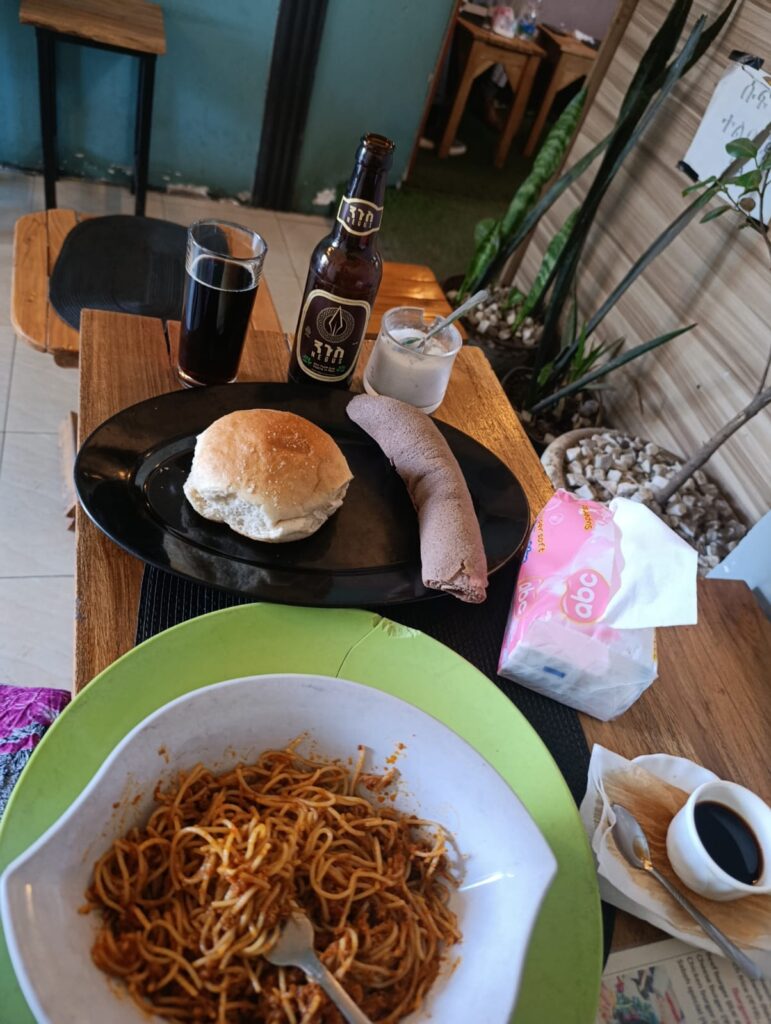
For a Kenyan, the first taste of Injera is a shock. It’s a flatbread made from Teff flour, fermented for days. It’s sour, spongy, and meant to be a plate, a spoon, and a meal all in one.
- The “Gursha”: There is a beautiful tradition where you feed a friend or family member a morsel of food with your hands. Feeding my brother a perfect wrap of Doro Wat (spicy chicken) felt like a bonding ritual we never knew we needed.
The Spice Factor
Be warned: Berbere spice is no joke. It makes our pilau feel like dessert. If you have a sensitive stomach, ask for “Alicha” (the non-spicy versions). But if you want the real experience, dive into the Tibs (sautéed meat) and the Shiro (chickpea stew).
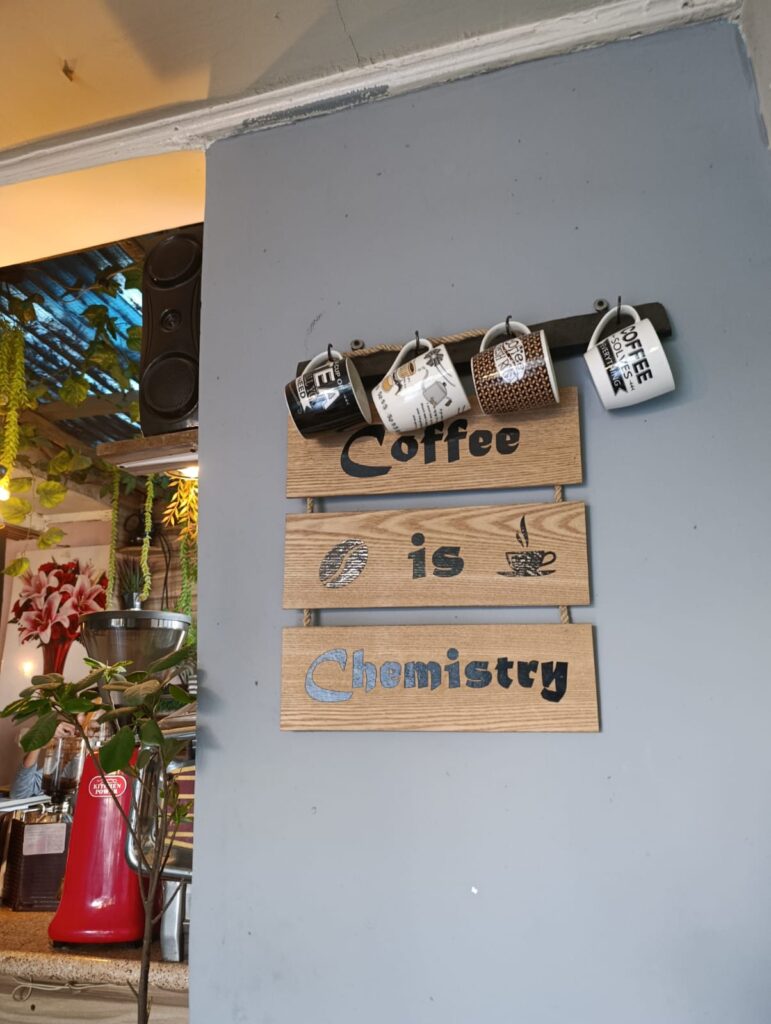
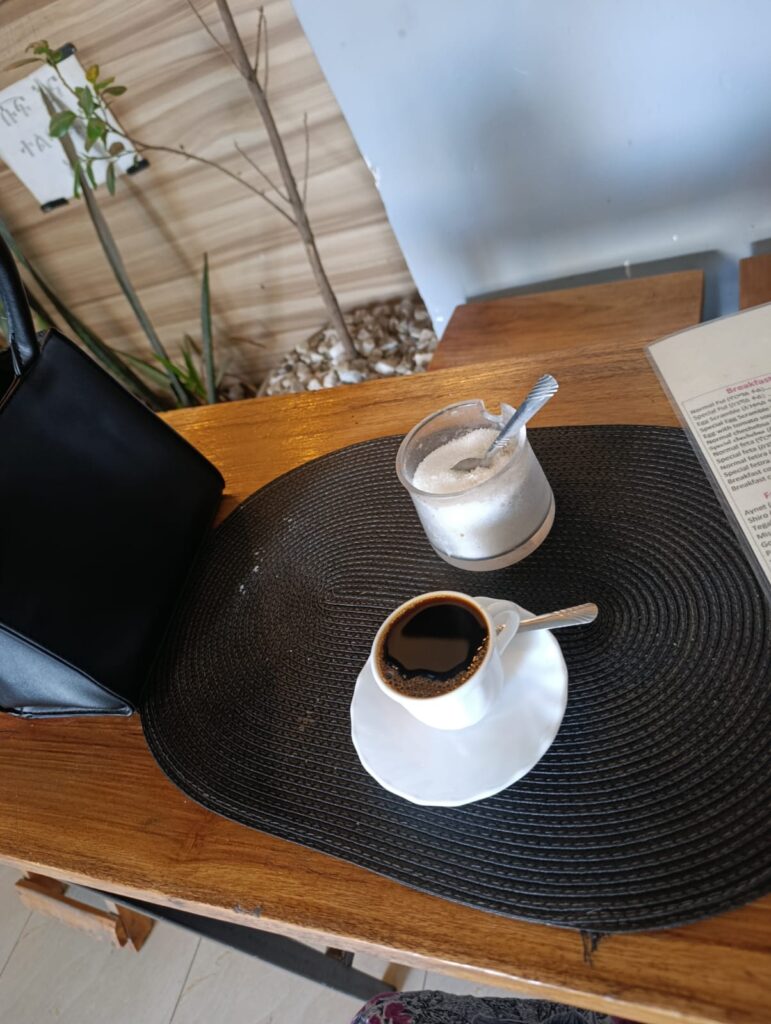
The Birthplace of Coffee (Buna)
You haven’t had coffee until you’ve sat for a Traditional Coffee Ceremony.
- The Roasting: They roast the green beans over coals right in front of you.
- The Aroma: Frankincense is burned, filling the room with a holy scent.
- The Three Cups: You must drink three rounds—Abol, Tona, and Baraka. Each cup is said to transform the spirit. It’s a 90-minute process. In Nairobi, we grab a “Java to go.” In Addis, coffee is a reason to stop time.
The “Shock” Factor: Cash, Security, and Safaricom
No blog is honest without the challenges. Addis is not Nairobi 2.0.
The Cash Kingdom
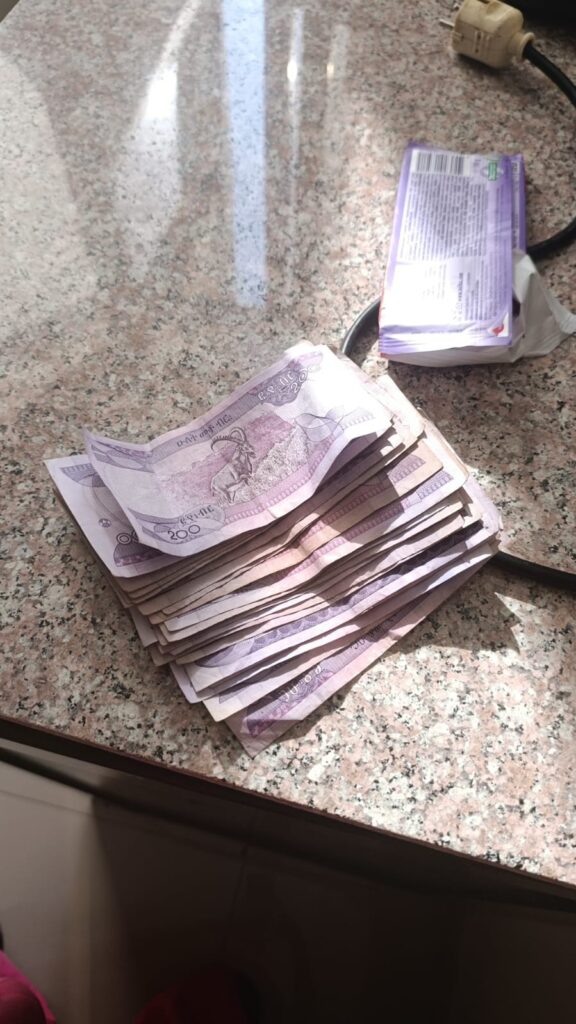
This was the biggest hurdle for us. In Kenya, I can buy a single tomato with M-Pesa. In Addis, Cash is King. * The Birr: I found myself carrying “bricks” of Ethiopian Birr. While mobile money is growing (thanks to Safaricom Ethiopia), the average shop or taxi still wants physical notes.
- The Exchange: Always use official bank exchanges. The black market might tempt you, but as a visa specialist, I always advise: Stay within the law to keep your travel record clean.
Security Presence
You will see more uniforms and more checkpoints in Addis than in Nairobi. Don’t be alarmed. It’s a part of their “Safety First” culture. We felt incredibly safe walking home at 11:00 PM in Bole—something I wouldn’t always recommend in certain parts of Nairobi.
Language and the Art of Communication
Is it easy to get around? Yes and no.
- Amharic: Most locals speak Amharic as their first language. English is common in the service industry, but not universal.
- The “Ethiopian Nod”: There is a specific way Ethiopians tilt their head to say “yes” or “I understand.” Once you learn the non-verbal cues, the city opens up to you.
- The Kenyan Connection: The moment locals found out we were from Kenya, the hospitality doubled. They love their “Southern Brothers.”
Cost Comparison: Addis vs. Nairobi
If you are planning your budget, here is the breakdown (Estimates in KES):
| Item | Nairobi Price | Addis Price |
| Taxi (App-based) | ~500 KES | ~400 KES (using Feres or Ride) |
| Dinner for Two | ~3,500 KES | ~2,000 KES (Traditional) |
| Local SIM + 10GB | ~1,000 KES | ~600 KES |
| Coffee/Macchiato | ~300 KES | ~80 KES (Yes, really!) |
The Verdict: Your money goes significantly further in Addis, especially regarding food and local transport.
The 9-Day “Slow Travel” Itinerary
If you have the luxury of time like we did, don’t rush.
- Day 1-2: The Acclimatization. Stay in Bole. Drink water. Let your lungs adjust. Visit the Bole Medhane Alem Cathedral.
- Day 3: The Ancestry. Spend the day at the National Museum and the Ethnological Museum (located inside Haile Selassie’s former palace).
- Day 4: The Market Chaos. Head to Merkato. It is the largest open-air market in Africa. It is overwhelming, beautiful, and you can buy everything from a camel to a laptop. Go with a guide!
- Day 5: The Mountain View. Take a taxi to Mount Entoto. The view of the city sprawling below is breathtaking.
- Day 6: The Art Scene. Addis has a vibrant contemporary art world. Visit the Sheraton Addis (even just for the architecture) and local galleries.
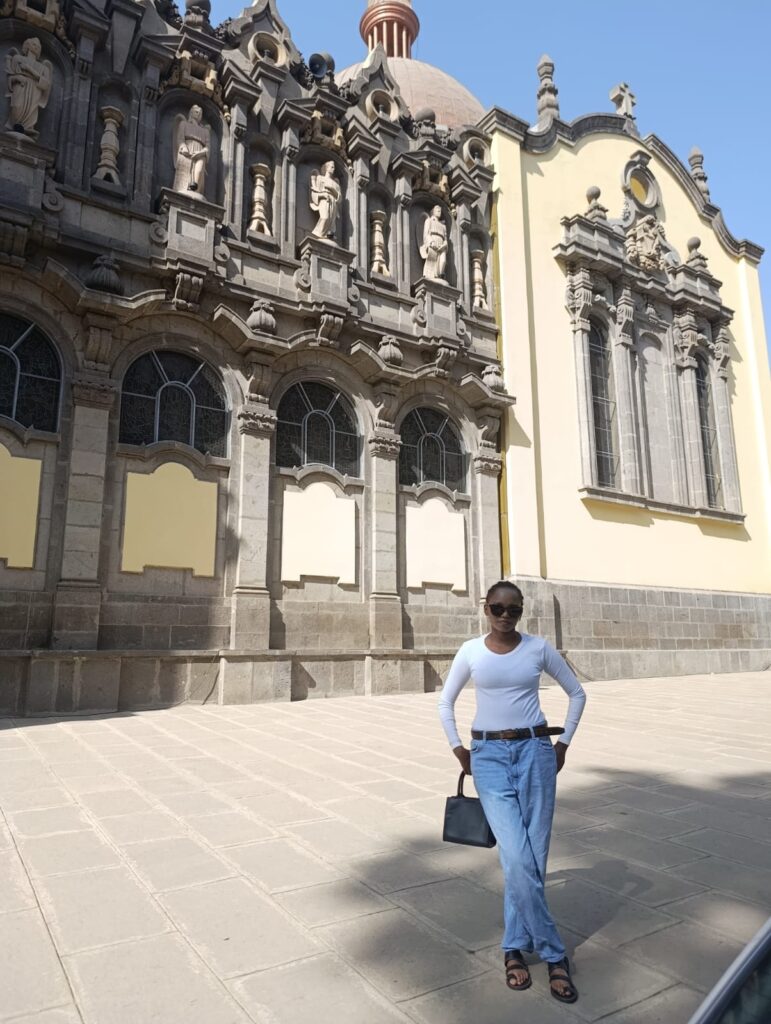
- Day 7: The Holy Trinity. Visit Kiddist Selassie, where Emperor Haile Selassie is buried. The stained glass and history are hauntingly beautiful.
- Day 8: The Food Crawl. Spend the day hopping from one “Buna” spot to another. End the night at Yod Abyssinia for traditional dancing.
- Day 9: Reflection. Revisit your favorite cafe, buy some Teff or Coffee beans to take home, and prepare for the flight back.
Reflections as a Kenyan Immigration Consultant
Coming home, I looked at my work at Millennia Visa Specialists with new eyes. We often think of travel as going to Europe or Dubai, but the soul of our future is right here on the continent.
What Kenya can learn from Ethiopia:
- Cultural Preservation: They have kept their identity intact despite global pressures.
- Affordability: They have managed to keep the “basics” (food and transport) accessible for the common citizen.
What Ethiopia can learn from Kenya:
- The Digital Revolution: Our ease of payment (M-Pesa) and high-speed internet are assets that make business move at lightning speed.
- Openness: Our “Nairobi Hustle” and cosmopolitan nature make us a very easy place for outsiders to integrate.
Practical Tips for Your Ethiopian Adventure
Transport: Download the Feres or Ride apps. They are the “Uber” of Addis and will save you from being overcharged.
Safaricom: If you have a Safaricom Kenya line, roaming is quite affordable now. It’s a great way to stay connected until you get a local SIM.
Safety: Keep your phone in your pocket in Merkato. Otherwise, the city is very hospitable.
Document Legalization: If you are traveling for business, remember that Ethiopia requires specific legalization for your Kenyan documents (Degrees, Marriage Certificates, etc.). This is where I can help!
Final Thoughts: The Beauty of the Journey
Traveling with my brother through the highlands of Ethiopia was more than a vacation; it was a reconnection with our African identity. For nine nights, we weren’t just tourists; we were guests in the home of our ancestors.
Whether you are going for the history, the business opportunities, or the world-class coffee, Addis Ababa will change you. It will teach you to slow down, to breathe (even if the air is thin), and to take pride in where you come from.
Ready to Start Your Own Journey?
Navigating the immigration and legalization requirements for intra-African travel and business shouldn’t be your headache—it’s mine. At Millennia Visa Specialists, we make the “boring” stuff easy so you can focus on the “beautiful” stuff.
- Book a Consultation for Visa Advisory or Document Legalization: Schedule here via Calendly
- Catch more travel tips on our socials:
Ethiopia is waiting. Will I see you at Bole?